
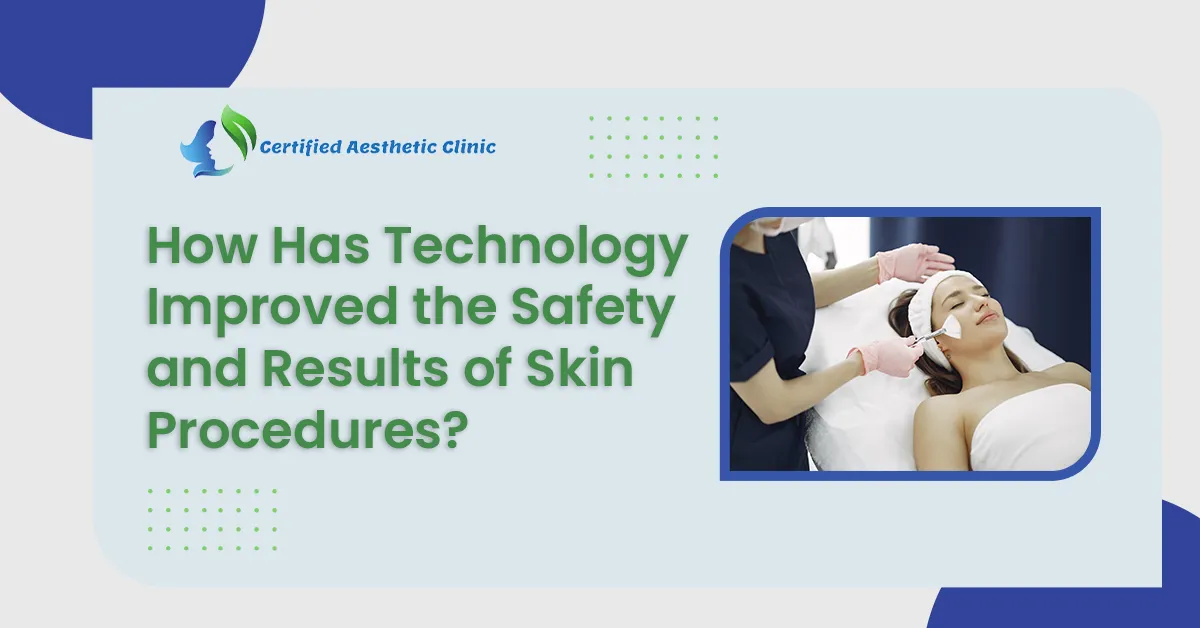
Skin procedures have changed quickly in the last couple of decades. Doctors in the past depended on wide correction techniques as well as surface examinations. Healing might stretch for a few weeks, and outcomes at times differed because tools were lacking in sharp accuracy.
These days, advancements in skin treatment technology redefine how professionals safeguard safety as well as influence results. Modern systems allow clinicians scan the skin carefully, adjust treatment depth, and observe the way the skin reacts throughout each session. This effective control reduces additional harm as well as steadies results.
What this means is shorter downtime, enhanced comfort, and better outcomes for all patients. Present methods nurture the skin, while safeguarding its natural structure, rather than chasing correction. Because techniques continue to develop, safety standards rise along with treatment results. Understanding how these changes impact clinical care will help patients decide wisely and appreciate the science that supports modern skin procedures.
In the earlier years, skin procedures mostly depended on manual methods and visual evaluation. Physicians assessed concerns based on surface look and experience. The procedures usually involved deep corrective procedures or wide resurfacing procedures, which affected large parts of the skin.
These techniques did not always get rid of the noticeable issues, but they did result in longer recovery times, increased swelling, and a greater risk of uneven results.
Because of the absence of diagnostic assistance, depth as well as skin reaction could not constantly be measured with accuracy. Consequently, the outcomes varied among people.
The field moved with time towards more focused and controlled treatment techniques. Practitioners started to prioritise the preservation of healthy tissue while dealing with certain problems.
Instead of getting rid of or treating huge sections of skin, modern methods focus on defined layers as well as problem areas. This represented a substantial change in clinical philosophy, shifting from intense correction to measured enhancement.
The introduction of advanced imaging, calibrated energy systems and organised treatment protocols has changed clinical practice.
The newest advances in skin treatment technology permit much more exact assessment, quicker healing, and better healing.
This evolution has strengthened both the safety standards and the consistency of treatment across an extensive range of procedures.
A structured assessment will be the first step to contemporary skin treatment. With the latest imaging methods, scientists can look below the surface of the skin.
These tools are able to detect pigmentation depth, vascular modifications, texture irregularities, and early structural damage.
Visual and clear data facilitates informed choices. Physicians base their decisions based on quantifiable findings, not merely superficial data. This gets rid of uncertainty and also enhances treatment planning.
Energy-based devices provide controlled heat or even light to specific levels of the skin. These systems boost collagen production, decrease pigmentation, and enhance general tone.
With adjustable settings, physicians are able to match depth and intensity to particular requirements. This particular control safeguards the surrounding tissue while dealing with certain issues.
Microchannels produced in the skin are made by mechanical methods, which include microneedling devices.
These precisely managed injuries promote collagen creation and maintenance. The healing takes place faster because of the uniformity as well as the smallness of the channels.
Together, these categories demonstrate how treatment technology supports safe, measured, and results-driven care across a wide range of skin concerns.
Thorough evaluation forms the basis of safe treatment. Imaging systems with high resolution assess the apparent and the surrounding skin structures.
They uncover concealed pigmentation, vascular changes, early sun damage, and collagen breakdown. This insight enables clinicians to understand the entire scope of the concern prior to starting any procedure.
Digital mapping records the skin’s condition in detail. It captures tone, pore size, texture, and areas of concern.
Clinicians store this data for future comparison. Over time, measurable changes confirm progress and guide further sessions. Patients benefit from visual evidence that supports transparency and trust.
The newest technology in skin treatment enables the exact calibration of treatment settings. According to the type of skin as well as sensitivity, the energy levels, product strength, and session intervals will automatically be set.
This technique decreases the risk of complications and also improves comfort in general. Comprehensive assessment ensures that each procedure begins with clarity, structure, and a focus on safety.
Precision-driven devices today deal with specific micro-areas while protecting surrounding tissue. The fractional systems produce controlled treatment areas that promote renewal with no widespread trauma.
Untreated skin promotes quicker healing and also reduces the chance of infection. This reduces patient downtime and also enhances patient comfort.
Modern platforms allow clinicians to select exact penetration depth and energy output. Surface concerns require shallow delivery, while deeper scars demand greater intensity. This flexibility ensures the correct layer receives treatment without unnecessary damage to healthy structures.
This precision also benefits patients seeking mole removal in Singapore, where exact targeting improves cosmetic outcomes and protects nearby tissue.
Sensors that measure the temperature along with the flow of energy are included in numerous devices that keep track of the procedures.
In the event that levels go up past the safe threshold, doctors can immediately modify the settings. This particular oversight stops overheating and improves consistency.
The precision of skin care technology is crucial. It enhances outcomes while protecting tissue integrity by blending focused delivery as well as safety monitoring.
Modern laser and light systems operate with refined wavelength control. Different skin conditions respond to specific light frequencies.
Pigmentation absorbs one range, while vascular redness responds to another. By selecting precise wavelengths, clinicians concentrate treatment energy where it is needed most. This targeted method protects surrounding tissue and enhances effectiveness.
Cooling systems now form a standard feature in many platforms. While energy penetrates deeper layers, surface cooling protects the outer skin. This design reduces discomfort and lowers the risk of burns or excessive irritation.
Because of these refinements, many individuals now choose the Best Laser hair removal in Singapore, where advanced cooling and calibrated energy improve safety and comfort.
Advanced systems track energy output and skin response throughout treatment. Clinicians observe these readings and adjust settings instantly when required. This proactive approach minimises complications and improves consistency across sessions.
Through these refinements, skin treatment technology has transformed laser and light procedures into safer, more controlled interventions with reliable, measurable outcomes.
Chemical peels have been used in skin care for many years. Modern formulas now act with greater control. Buffered acids soften harsh reactions and create steady exfoliation. This balanced action reduces irritation and supports even healing. Doctors also blend different acids to match each skin type. For acne, they may choose salicylic acid.
Patients seeking the best acne scar treatment in Singapore often benefit from these customised combinations paired with energy-based therapies.
Injectable treatments have also advanced. Finer needles and flexible cannulas glide more smoothly through tissue. This design limits bruising and swelling. Doctors place products with greater accuracy, shaping natural contours without excess volume.
Improved formulations blend more seamlessly with natural tissue. They move with facial expression and maintain structure over time. This harmony creates results that look subtle and balanced.
Skin treatment technology supports both of these approaches. It guides dosage, placement, and safety checks. By refining tools and ingredients, modern practice strengthens outcomes while protecting patient well-being. Care now feels measured, controlled, and predictable.
Future developments will likely expand personalised treatment capabilities. Skin care technology already supports adjustable settings and structured analysis. Advancements may introduce deeper diagnostic insight and automated calibration based on real-time data. Such progress would further reduce variability and improve safety.
Emerging procedures focus on revitalising the body's natural healing mechanisms. Instead of removing layers, these methods promote collagen renewal and cellular repair.
Similar precision supports procedures at a reputable Hair Transplant Clinic in Singapore, where accurate planning and controlled techniques improve graft survival and healing.
Ongoing innovation will continue to refine monitoring systems. Devices may track temperature, tissue response, and healing patterns with greater precision. Clinicians will adjust treatment dynamically, ensuring optimal balance between effectiveness and protection.
As the field advances, skin care technology will remain centred on measurable results, patient safety, and controlled, evidence-based progress.
Transformative changes in skin procedures mirror constant advancement in accuracy, safety, and medical understanding. What used to be a challenging task might now be accomplished with targeted and controlled techniques backed up by modern skin treatment technology. The use of comprehensive assessment tools, calibrated energy systems, and refined formulations has improved both patient confidence and results.
Modern surgical procedures concentrate on keeping good tissue while addressing certain concerns, which decreases complications and shortens recovery. Continuous innovation continues to enhance monitoring systems and customise treatment plans.
While research progresses, a focus is put on consistent safety standards as well as measurable results. Patients these days could expect procedures that balance effectiveness with care.
Clinicians offer controlled and reliable treatments by combining structured assessment, accurate delivery, and thoughtful aftercare. The ongoing advancement of technologies ensures that skin procedures will continue to be centered on safety, comfort, and long-term improvement.
Copyright © 2026 Certified Aesthetic. All rights reserved.