
The way people approach ageing has changed, especially among younger adults. Instead of waiting for wrinkles to appear, many are now focusing on prevention, and this change is known as prejuvenation, which is becoming increasingly popular among those in their 20s.
Among all these, the baby botox for Gen Z is a lighter and more subtle approach to managing early signs of ageing, whose purpose is to slow down how they form over time. In Singapore, such treatments are regulated under the Ministry of Health (MOH) guidelines, ensuring they are performed safely by licensed doctors.
With growing awareness, social media influence, and easier access to treatments, more people are asking the same question: when is the right time to start? The answer depends on your skin, habits, and expectations.
Prejuvenation simply means taking early steps to prevent signs of ageing before they become visible. This approach usually includes simple and consistent habits like good skin care, daily sunscreen, and staying hydrated.
It can also involve light skin treatments such as facials, gentle peels, or laser procedures that help maintain skin quality.
For some, it may include low-dose injectables like baby Botox, which work by relaxing facial muscles slightly so the skin does not crease as much over time.
In simple terms, prejuvenation is about maintenance rather than repair. A good way to think about it is dental care. You brush and floss every day to prevent cavities, not just fix them later. Prejuvenation follows the same idea, helping your skin stay healthier for longer instead of correcting problems after they appear.
Baby Botox is a lighter version of Botox.
Botox is a protein that relaxes your muscles. When muscles move less, the skin on top of them does not crease as much. This helps reduce lines.
With baby Botox:
So instead of stopping movement completely, it just softens it.
Let’s understand these two approaches, which can help you decide which one is suitable for you, as shown in the table:
| Feature | Baby Botox | Regular Botox |
| Dose | Very small amounts (micro-doses spread across the area) | Standard or higher doses in targeted spots |
| Purpose | Prevention of fine lines before they settle into the skin | Treatment of visible and deeper wrinkles |
| Best Age Group | Mid 20s to early 30s | 30s and above (or when wrinkles are already formed) |
| Effect on Muscles | Gently relaxes muscle movement | Strongly reduces muscle movement |
| Facial Expression | Natural, soft movement remains | Movement may be more restricted |
| Results | Subtle smoothing, fresh look | More noticeable wrinkle reduction |
| Longevity | May wear off slightly faster due to lower dose | Usually lasts longer due to higher dose |
| Look and Feel | Light, “no obvious change” appearance | More polished and defined look |
| Goal | Delay wrinkle formation over time | Smooth out existing lines |
In simple terms:
The rise of baby botox for Gen Z is not random, but it reflects a shift in how young people think about skin, ageing, and self-image. Several factors have shaped this trend, such as:
People from Gen Z now have direct access to skin health information through their life experiences. People start to understand that sun exposure leads to premature aging because it causes wrinkles to form. They know that collagen, which serves as the skin's protein for maintaining firmness and elasticity, decreases with age. The group shows more interest in protective measures than they do in waiting until the first signs of aging become visible.
People now view themselves differently because they have to encounter cameras every day. People now observe every facial element because they use front-facing cameras, video calls,s and social platforms.
The skin shows fine lines and small creases, es which used to escape my attention but now stand out more.
People who need to stay visible to the public develop thoughts about starting their treatment early because they want to protect their current smooth and even appearance.
Young adults from Gen Z prefer natural results that show minimal signs of human intervention. People nowadays do not want to see big changes that they can easily identify. The main objective focuses on maintaining a fresh appearance that looks well cared for.
Baby Botox fulfills this particular need because it provides a gentle approach to treatment. The system creates smooth motion, which preserves individual facial expressions, so people can improve their looks without showing any signs of cosmetic work.
This is one of the most common questions people ask: When should I start getting baby botox? So, the answer is not based on a specific age, but it depends more on what your skin is showing rather than how old you are.
Most people start thinking about baby Botox between their mid 20s and early 30s. This is the stage when the skin begins to show early changes.
Collagen, which keeps the skin firm and smooth, starts to reduce slowly. As a result, repeated facial movements can begin to leave light marks on the skin.
People should watch for small signs that extend past age recognition to create a more complete system of assessment. Your facial expression stays motionless, so you understand that faint lines appear on your face.
Your muscles create these wrinkles, which do not seem to vanish after they relax. Your face shows two particular signs that make lines develop more quickly when you perform strong facial movements like frowning often or eyebrow raising. Your face will keep its wrinkles after you stop making facial expressions.
Also, your face appears smooth when you relax, but wrinkles show up only during movement, so you probably don't need baby Botox at this moment. The person needs basic skin maintenance, together with sun protection, to maintain their current condition.
The term preventative botox age sounds confusing, but it is simple, which means starting treatment when early signs appear, not before.
Starting too early does not give an extra benefit. It just increases long-term cost and exposure.
Micro-tox means using very small amounts of Botox across the skin.
It is a subtle approach that suits first-time users.
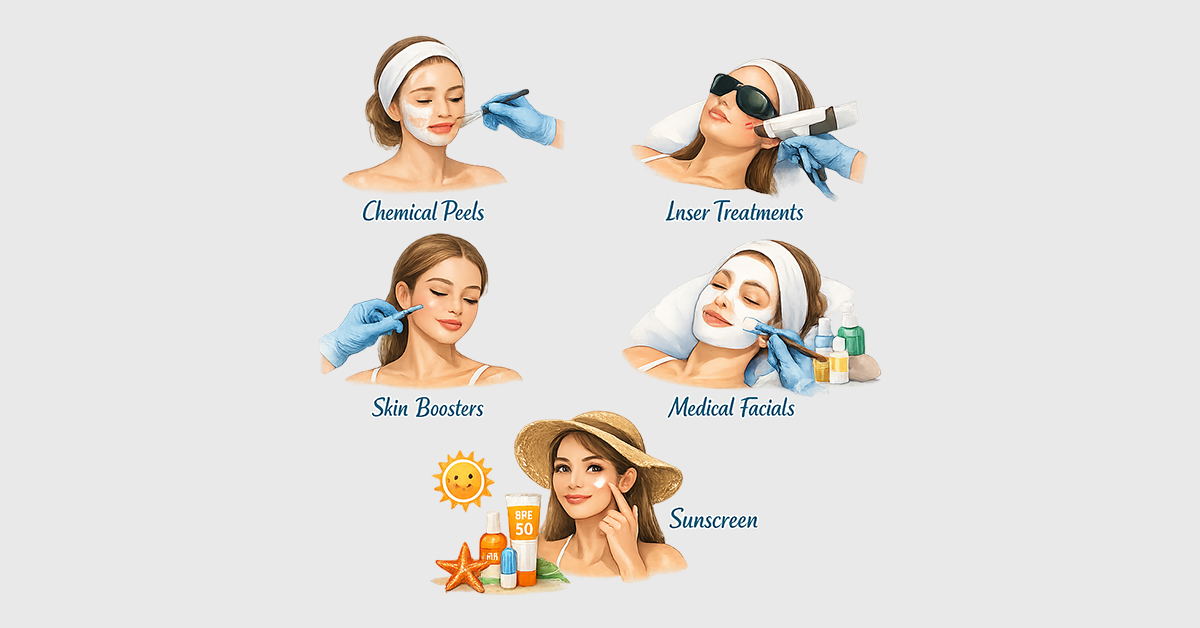
Baby Botox is not the only option. Other best preventative aesthetic treatments for 20s work well.
A chemical peel solution is applied to remove dull top skin. This helps new, fresh skin come through.
Laser uses light energy to improve skin tone and reduce damage.
These are tiny injections of hydrating substances.
(Hydration means adding moisture inside your skin, not just on top.)
Deeper cleaning and nourishment than regular facials.
Still, the most important step. UV rays break down collagen faster.
A good routine often combines a few of these rather than relying only on injections.
There is growing interest in prejuvenation treatments in Singapore, especially among young adults.
Common options include:
When visiting an aesthetic clinic in Singapore, the focus should always be on safe and personalised care.
This is the part many people do not talk about.
If your skin is still smooth, starting early gives little benefit.
Results last a few months. You need repeat treatments to maintain results.
Starting at 25 instead of 30 means years of extra treatments.
Too much Botox over time can affect natural muscle movement.
It only slows certain types of wrinkles. Skin ageing continues.
Being aware of these helps you make a more balanced decision.
Before deciding on baby Botox, it is worth taking a step back and thinking about your reasons. This is not something you need to rush into, especially at a younger age.
Start by asking yourself if you can actually see early signs of ageing. This could mean faint lines that stay even when your face is relaxed, not just lines that appear when you smile or frown. If your skin still looks smooth at rest, treatment may not be necessary yet.
It is important to understand your motivation. Are you choosing this for yourself, or is it influenced by trends, social media, or what others are doing? Being clear about this helps you make a more balanced and informed decision.
Before considering treatments, your basics should be in place. A simple routine with cleansing, moisturising, and daily sun protection can help maintain healthy skin. In many cases, this can delay the need for aesthetic procedures.
Not everyone needs baby Botox early. In many situations, good skincare and patience are enough. Taking a slower approach often leads to better long-term results.
Overall, Medical research continues to advance the understanding of human aging by discovering new facts about this biological process. The method keeps skin health at its peak level while it stops the formation of damage that needs later correction.
The procedure serves as a helpful solution for Generation Z members, but not every person requires it during their early years. The appropriate moment for action becomes clear when you observe actual changes instead of following what people do at different life phases.
The results will disappear after some time,e so you need to continue your treatment process. With the rise of prejuvenation treatments in Singapore, more people are exploring options at an aesthetic clinic in Singapore.
People who want to achieve lasting results should start with proper skin care while making educated choices about their actions. The aging process needs to continue, but individuals must find ways to control their aging progression, which aligns with their personal needs.
Copyright © 2026 Certified Aesthetic. All rights reserved.